
Blackmagic Pocket Cinema 4K Camera
Blackmagic Pocket Cinema 4K Camera
Description
Features
 The Blackmagic Pocket Cinema 4K Camera represents a fundamental shift in how filmmakers, content creators, and visual storytellers think about professional cinema equipment. Rather than forcing users into bulky, expensive cinema rigs, Blackmagic Design approached the Pocket Cinema 4K with a philosophy rooted in accessibility without compromise. The camera delivers true cinematic image quality in a compact, portable body that feels more like a hybrid stills camera but performs like a dedicated cinema tool. This design philosophy has made it especially appealing to independent filmmakers, documentary creators, YouTubers, and production teams that need flexibility without sacrificing dynamic range, color science, or professional codecs. The camera’s form factor encourages handheld shooting, gimbal use, and quick deployment in real-world environments where larger cinema cameras would be impractical. Despite its size, the Pocket Cinema 4K is unmistakably a cinema camera, prioritizing image integrity, manual control, and workflow efficiency over consumer conveniences. This deliberate focus positions it not as a casual video camera, but as a serious filmmaking instrument that happens to be small, redefining expectations for what compact cinema gear can achieve.
True Cinema Image Quality with a 4/3 Sensor
At the heart of the Blackmagic Pocket Cinema 4K Camera lies a 4/3-sized image sensor designed specifically for cinematic video capture. This sensor delivers a native resolution of 4096 × 2160, adhering to true DCI 4K standards rather than consumer UHD compromises. The sensor’s design emphasizes dynamic range, offering up to 13 stops, which allows filmmakers to preserve highlight detail while retaining rich shadow information. This wide latitude is particularly valuable for narrative films, documentaries, and commercials where lighting conditions can be unpredictable or deliberately dramatic. The sensor also supports dual native ISO values, enabling cleaner images in both well-lit and low-light environments. Rather than aggressively smoothing noise or sharpening details, the Pocket Cinema 4K maintains a natural, filmic texture that responds beautifully to color grading. This sensor choice reflects Blackmagic’s cinema-first mindset, favoring image character and grading flexibility over overly processed, “video-like” output. The result is footage that feels organic, dimensional, and highly adaptable in post-production, giving creators confidence that their images can be shaped to match virtually any visual style.
Blackmagic RAW and ProRes: A Post-Production Powerhouse
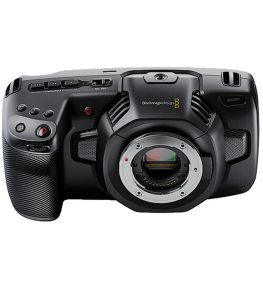 One of the defining strengths of the Blackmagic Pocket Cinema 4K Camera is its support for professional recording formats that are typically reserved for far more expensive cinema systems. The camera records internally in Blackmagic RAW, a modern codec designed to preserve sensor data while remaining efficient and flexible in post-production. Blackmagic RAW allows filmmakers to adjust ISO, white balance, exposure, and color science non-destructively after the shoot, offering a workflow that closely resembles high-end digital cinema pipelines. In addition to Blackmagic RAW, the camera supports multiple ProRes formats, making it easy to integrate footage into established editing environments without heavy transcoding. This dual-format flexibility makes the Pocket Cinema 4K equally attractive to independent creators and professional studios. Whether working on a fast-turnaround project or a meticulously graded cinematic release, the camera adapts seamlessly. The ability to record internally to CFast cards, SD UHS-II cards, or directly to external USB-C SSDs further enhances workflow efficiency, enabling long recording times and rapid data transfer. This recording ecosystem transforms the Pocket Cinema 4K into not just a camera, but a complete production and post-production solution.
A Color Science Designed for Storytelling
Color reproduction is one of the most celebrated aspects of the Blackmagic Pocket Cinema 4K Camera, and it plays a critical role in its cinematic appeal. Blackmagic’s color science prioritizes natural skin tones, smooth highlight roll-off, and accurate color separation, all of which are essential for professional storytelling. Rather than baking in aggressive color profiles, the camera captures a neutral, flexible image that serves as a robust foundation for grading. This approach empowers filmmakers to create distinct visual identities, whether aiming for a warm, nostalgic look, a cold, desaturated aesthetic, or a bold, stylized palette. The camera integrates seamlessly with DaVinci Resolve, Blackmagic’s own professional color grading and editing software, allowing creators to fully exploit the camera’s color data. Even before grading, the Pocket Cinema 4K produces pleasing images with depth and realism, making it suitable for projects that require minimal post-production. For creators who value creative control over automated processing, the camera’s color science becomes one of its most powerful assets, enabling visuals that feel intentional rather than generic.
Ergonomics, Controls, and a Filmmaker-Centric Interface
Unlike many hybrid cameras that bury critical video functions deep within menus, the Blackmagic Pocket Cinema 4K Camera is designed around direct, tactile control. The physical buttons on the body provide immediate access to essential functions such as ISO, white balance, shutter angle, and frame rate, allowing filmmakers to make adjustments quickly while shooting. The large rear touchscreen serves as both a monitoring display and a control interface, offering intuitive navigation and clear visual feedback. This touchscreen is bright, responsive, and large enough to allow accurate focus checking and composition without the need for an external monitor in many situations. The camera’s menu system is refreshingly straightforward, avoiding unnecessary complexity and focusing on the needs of video professionals. While the camera does not attempt to be a stills camera replacement, its ergonomics are thoughtfully balanced for handheld use and rigging alike. This design philosophy ensures that the Pocket Cinema 4K feels like a tool built by filmmakers, for filmmakers, where every control serves a practical purpose in real-world production environments.
Audio Capabilities for Professional Sound Capture
Sound is an essential component of cinematic storytelling, and the Blackmagic Pocket Cinema 4K Camera takes audio capture seriously. The camera includes a full-size XLR input with phantom power support, enabling direct connection of professional microphones without the need for external audio recorders. This feature alone sets the Pocket Cinema 4K apart from many competing cameras in its class. In addition to the XLR input, the camera offers a 3.5mm microphone input and a dedicated headphone jack for real-time monitoring. Audio levels can be adjusted directly from the touchscreen interface, providing precise control over recording quality. The internal preamps are clean and capable, delivering professional-grade audio suitable for interviews, dialogue, and ambient sound. For documentary filmmakers and solo operators, this integrated audio solution simplifies production workflows and reduces the amount of gear required on set. By treating audio as a first-class feature rather than an afterthought, the Pocket Cinema 4K reinforces its identity as a complete cinema production tool.
Lens Flexibility and the Micro Four Thirds Mount
The Micro Four Thirds lens mount on the Blackmagic Pocket Cinema 4K Camera offers remarkable versatility, opening the door to an extensive ecosystem of lenses. Filmmakers can choose from a wide range of native Micro Four Thirds lenses, as well as adapt lenses from other mounts using readily available adapters. This flexibility allows creators to experiment with different optical characteristics, from modern, clinically sharp lenses to vintage glass with unique flares and rendering. The sensor’s crop factor also enables filmmakers to effectively extend the reach of telephoto lenses, which is particularly useful for documentary and wildlife shooting. At the same time, wide-angle options remain plentiful, ensuring that cinematic compositions are easily achievable. This lens adaptability makes the Pocket Cinema 4K an excellent platform for filmmakers who already own lenses or who want to build a diverse kit over time. Rather than locking users into a proprietary ecosystem, the camera encourages creative exploration through optical choice, reinforcing its role as a versatile storytelling tool.
Power Management, Media, and Real-World Practicality
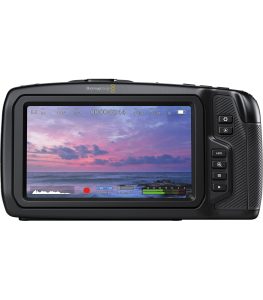 Power and storage considerations play a crucial role in real-world filmmaking, and the Blackmagic Pocket Cinema 4K Camera addresses these needs with practical solutions. The camera uses removable batteries, making it possible to swap power sources quickly during shoots. While internal batteries may not last for extended shooting sessions, the camera supports external power solutions, including battery grips and V-mount systems, allowing it to scale from lightweight handheld setups to full production rigs. Media flexibility is another strength, with support for SD cards, CFast cards, and external SSDs via USB-C. This versatility allows filmmakers to choose storage solutions based on budget, capacity, and shooting requirements. Recording directly to external SSDs is particularly valuable for long-form projects, reducing the need for frequent media changes and simplifying data management. These practical considerations demonstrate Blackmagic’s understanding of production realities, ensuring that the Pocket Cinema 4K remains reliable and adaptable in demanding shooting conditions.
A Camera That Scales with the Creator’s Growth
One of the most compelling aspects of the Blackmagic Pocket Cinema 4K Camera is its ability to grow alongside the filmmaker. Beginners can start with a simple setup, relying on internal recording, minimal rigging, and basic color grading, while still benefiting from professional image quality. As skills and project demands evolve, the same camera can be integrated into more complex workflows, including external monitoring, advanced color grading, and multi-camera productions. The camera’s compatibility with professional standards ensures that footage remains relevant and usable even as production values increase. This scalability makes the Pocket Cinema 4K a long-term investment rather than a temporary stepping stone. Many filmmakers continue to use it alongside higher-end cinema cameras, appreciating its compact size and consistent color science. This ability to remain useful across different stages of a creator’s journey is a testament to the camera’s thoughtful design and enduring relevance.